iPhone Resale Value Trends: What Sellers Need to Know
August 14, 2026
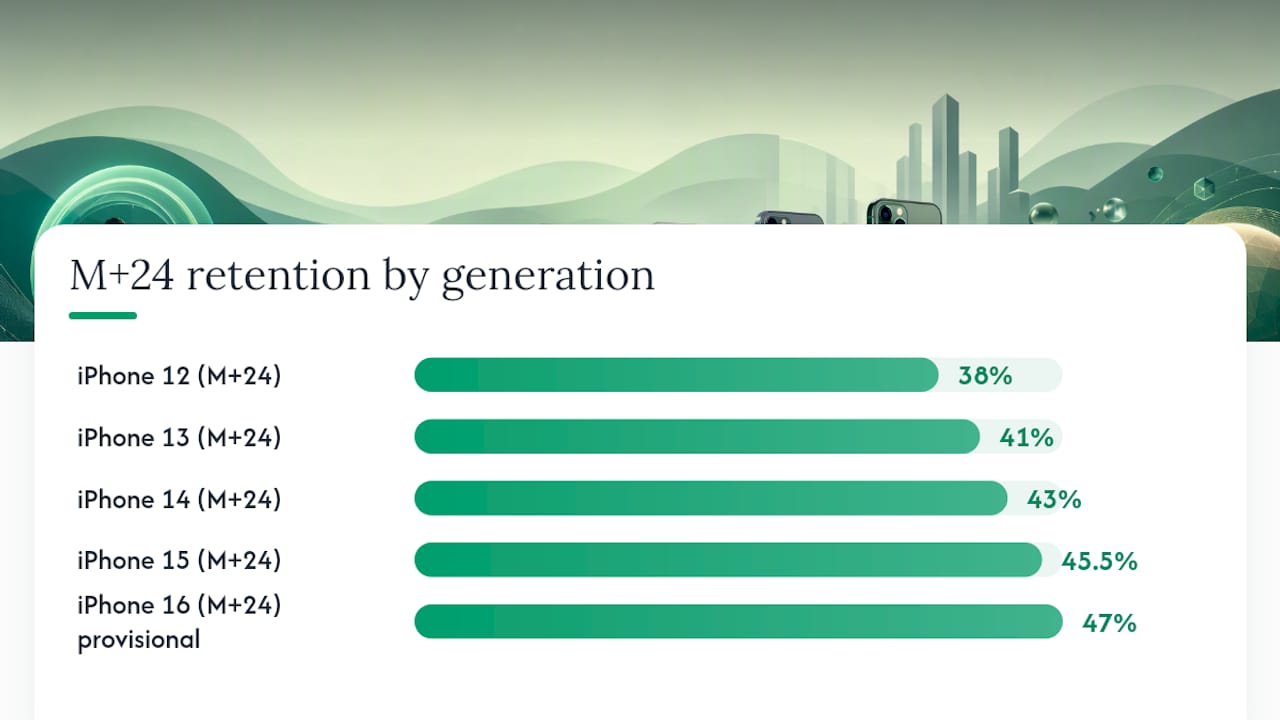
iPhone resale values have risen generation-over-generation, and the data now shows a clear upward trajectory in how much of the original launch price a used iPhone commands at the two-year mark. Dipli Market Data Lab tracks this precisely: the iPhone 14 family (256GB) retained roughly 43% of its launch price at M+24, the iPhone 15 family climbed to approximately 45.5%, and the iPhone 16 family is provisionally tracking near 47%. These figures reflect mid-2026 marketplace data and should be treated as a snapshot, not a permanent floor.
Key Takeaways
| Point | Details |
|---|---|
| M+24 residuals are rising | iPhone 14 retained ~43%, iPhone 15 ~45.5%, and iPhone 16 ~47% at two years per Dipli data. |
| Best selling window | Late July to mid-August captures peak pre-launch demand; avoid the two weeks after Apple’s September event. |
| Unlocked status matters | Unlocked iPhones typically sell for a bit more than carrier-locked equivalents on Swappa and eBay. |
| Use completed sales only | Asking prices on eBay run 15–25% above realized prices; always filter for sold listings. |
| Buybackbear for fast cash | Buybackbear pays same-day cash with NIST-certified data wipe, beating any written quote by a competitive amount. |
Table of Contents
- How do current iPhone resale value trends compare by generation?
- How is iPhone resale value actually measured?
- How have iPhone residuals shifted from the iPhone 12 through the iPhone 17?
- What factors move iPhone resale value the most?
- Where should you track iPhone resale prices?
- When is the best time to sell an iPhone?
- How were the numbers in this article compiled?
- What does Dipli’s M+24 data actually mean for sellers?
- What daily buyback data tells us that market reports miss
- Get cash for your iPhone today with Buybackbear
- Sources
- FAQ
How do current iPhone resale value trends compare by generation?
The table below shows average resale prices and retained percentages for recent iPhone families, drawn from completed sales on Swappa and eBay and normalized to 128GB/256GB unlocked, good-condition units. All figures reflect mid-2026 snapshots.
A five-point difference in retained percentage translates to roughly a solid amount in real dollars on a mid-tier model, which is meaningful if you are deciding whether to sell now or hold another quarter. Pro models consistently run a solid amount higher in resale price than standard-tier equivalents at the same age, a gap that narrows but does not close by M+24.
Snapshot note: These averages cover unlocked, good-condition units with battery health above 85%. Carrier-locked or cracked-screen listings run materially lower.
ValueSnap’s resale guide puts the typical year-one drop at 25–35% and total depreciation by year two at 40–50% for many iPhone models, which aligns closely with the Swappa and eBay completed-sale data above.
How is iPhone resale value actually measured?
Residual value is the percentage of a device’s original launch price it commands on the secondary market at a given point in time. The two standard lifecycle checkpoints are M+12 (12 months after launch) and M+24 (24 months after launch). These intervals matter because they map to the most common upgrade cycles: one-year lease returns and two-year carrier contracts.
The retained percentage formula is straightforward:
Retained % = (Current Resale Price ÷ Original Launch Price) × 100
That is a M+12 reading if the device launched in September 2023 and you are selling in late 2024.
Common measurement pitfalls to avoid:
- Listing price vs. completed sale: Asking prices on eBay run 15–25% above what devices actually sell for. Always filter for “sold listings” or use Swappa’s completed-sale data.
- Sample bias by condition: A dataset heavy on “like new” listings will overstate the average. Normalize to “good” condition for a realistic benchmark.
- Storage tier mixing: A 256GB model can fetch a bit more than a 128GB equivalent. Compare within the same tier.
- Carrier-locked units: These typically sell for a bit less than unlocked equivalents, depending on the carrier and model.
- Regional price differences: U.S. marketplace prices differ from European or Asian secondary markets. Stick to Swappa and eBay U.S. completed sales for domestic benchmarks.
Pro Tip: When checking your device’s value, filter Swappa or eBay completed sales by storage capacity, unlocked status, and condition grade simultaneously. A single filter miss can skew your benchmark by a competitive amount or more.
How have iPhone residuals shifted from the iPhone 12 through the iPhone 17?
The long-view picture is more interesting than any single generation snapshot. iPhone residuals at M+24 have moved in a clear direction since the iPhone 12 era, and understanding why helps you predict where the next generation will land.
| Generation | Approx. M+12 Retained | Approx. M+24 Retained | Key Driver |
|---|---|---|---|
| iPhone 12 family | 58% | 38% | Post-5G launch demand spike, then normalization |
| iPhone 13 family | ~60% | 41% | Strong sell-through, limited supply |
| iPhone 14 family | 55% | ~43% | Muted initial demand, but stable long tail |
| iPhone 15 family | 62% | ~45.5% | USB-C transition, strong Pro demand |
| iPhone 16 family | 68% | ~47% (provisional) | AI features, ecosystem pull |
| iPhone 17 family | 72% (early) | Too early | Early sell-through strong per BGR/Swappa data |
The iPhone 14 generation is a useful case study. Its M+12 retention was actually softer than the 13’s because the standard model was widely criticized as an incremental update, which dampened new-device demand and pushed buyers toward the secondary market at lower prices.
The iPhone 15 and 16 families benefited from two structural tailwinds. First, the USB-C transition on the 15 made it more attractive to buyers who wanted forward compatibility. Second, Canalys data on iPhone 16 points to AI-related features and ecosystem demand as active drivers of device desirability, which carries into the secondary market when buyers seek capable hardware at a discount.
iGenius Phone Repair’s 2026 resale report confirms Apple still leads resale retention after two years, with iPhones typically retaining a higher percentage of original value than Android competitors. The report cites software support longevity and repairability as primary structural advantages.
On the Android side, BGR’s mid-2026 marketplace analysis using Swappa data shows iPhone 17 SKUs depreciating significantly more slowly than comparable Galaxy S26 SKUs in their first months on the secondary market. The structural reason, as CashAnyTech notes, is that Android’s model fragmentation dilutes secondhand demand for any individual SKU, while iPhone’s narrower lineup concentrates buyer interest.
Structural drivers behind rising iPhone residuals:
- Apple’s software support window now extends to six or seven years for recent models, keeping older devices functional and desirable longer.
- Tighter supply discipline on Pro models creates scarcity that holds prices up in the first 12 months.
- The UBS Evidence Lab survey reported by Asymco found average installed-device age around 33 months and strengthening purchase intent, both signals of a buyer pool that actively seeks used iPhones rather than defaulting to new.
What factors move iPhone resale value the most?
Not all depreciation is equal. Some factors knock a competitive amount off a price; others cost you a competitive amount. Here is the ranked list, from highest to lowest typical impact.
- Model tier (Pro Max > Pro > standard > SE): The gap between a Pro Max and a standard model at M+24 can exceed a competitive amount on the same storage tier. Pro models hold a larger share of their launch price even though they cost more to begin with.
- Condition: A cracked screen or significant cosmetic damage typically reduces realized price by a solid amount compared to a good-condition equivalent. “Like new” commands a a solid amount premium over “good.”
- Storage capacity: 256GB models consistently fetch a bit more than 128GB equivalents. The 512GB tier adds another a solid amount over 256GB, though the premium narrows at M+24.
- Battery health: Below 80%, most buyers discount aggressively. Below 85%, you start losing a solid amount depending on the model. A battery replacement (a competitive amount at Apple) often pays for itself if your battery is below 82%.
- Unlocked vs. carrier-locked: Unlocked units sell for a bit more and move faster. If your phone is carrier-locked, unlocking it before listing is one of the highest-ROI steps you can take.
- Software support status: Once Apple drops a model from iOS updates, secondary demand falls noticeably. Devices still receiving current iOS updates hold a meaningful premium over end-of-support models.
- Color and limited editions: Certain colorways (titanium finishes, limited-run colors) command a modest premium of a solid amount in the first 12 months, which fades by M+24.
- Regional demand: U.S. marketplace prices tend to run higher than European equivalents for the same model, partly due to carrier subsidy structures and partly due to buyer volume.
Seller prep checklist to maximize your realized price:
- Replace the battery if health is below 82% (the repair typically returns a solid amount net).
- Unlock the device from your carrier before listing.
- Clean the device thoroughly, including ports and the camera lens.
- Include original accessories (cable, adapter, box) where possible; this adds a solid amount in perceived value.
- Take photos in natural light against a neutral background, showing all four corners and the screen.
- Disclose all cosmetic issues honestly; undisclosed damage triggers returns and negative feedback.
Pro Tip: Screen replacements rarely pay for themselves before a sale unless the damage is severe. A cracked back glass on an iPhone 15 Pro, however, is worth fixing if you can get it done for under a competitive amount since buyers discount cracked backs by a solid amount on that model.
Where should you track iPhone resale prices?
Different channels tell you different things, and conflating them is the most common valuation mistake sellers make.
Swappa is the most reliable source for U.S. completed-sale data on used iPhones. Listings require working devices, and the platform’s fee structure keeps asking prices closer to realistic. Filter by model, storage, and condition to get a tight comparable set.
eBay completed sales cover a broader range of conditions and include auction results, which can run low. The “sold listings” filter is non-negotiable; active listings are asking prices, not market prices. eBay’s volume gives you a larger sample, but the condition variance is wider than Swappa’s.
Apple Trade In sets a floor, not a ceiling. Apple’s program offers convenience and instant credit, but the quotes typically run a solid amount below what you would realize on a private sale. The same gap applies to carrier trade-in programs.
Gazelle and SellCell aggregate buyback quotes from multiple vendors and are useful for a quick floor check. SellCell in particular lets you compare offers across a dozen buyers in one search. These are convenience-optimized channels, not maximum-return channels.
Techfare and similar buyback aggregators function similarly to SellCell, pulling quotes from multiple buyers so you can see the spread without visiting each site individually.
Dipli Market Data Lab publishes M+12 and M+24 residual data by generation, making it the most useful source for trend analysis rather than point-in-time pricing.
Practical reading tips for marketplace data:
- Always use completed sales, never active listings, for any price benchmark.
- Watch listing velocity: if 20 units of the same model sold in the past 48 hours, liquidity is high and your price will hold. If only 3 sold in a week, expect to price lower to move it.
- Filter by unlocked status and condition grade before pulling an average.
- Check the date stamps on any aggregated data you find in articles or guides; a six-month-old snapshot can be a solid amount stale on a fast-moving model.
ValueSnap’s trade-in value analysis reports that carrier and manufacturer trade-in quotes typically undercut private-sale values by roughly a solid amount depending on model and age. Use Buybackbear’s carrier trade-in vs. cash calculator to run the comparison for your specific device before committing to any program.
When is the best time to sell an iPhone?
Timing is the one variable most sellers ignore, and it costs them more than condition does on a well-maintained device.
The two best windows:
- Late July through mid-August: Demand from buyers who want a current-generation iPhone before the new model drops pushes prices to their seasonal peak. Supply of used units is relatively low because most sellers are waiting to see the new release.
- Six to nine months after launch (M+6 to M+9): Early adopters who upgraded on day one are now selling, but the market has absorbed the initial supply shock. Prices stabilize at a level that still reflects strong demand for a current-generation device.
The worst window: The two weeks immediately following Apple’s September event. New-model announcements crater demand for the outgoing generation almost overnight. A device worth a good amount on August 28 may fetch a competitive offer by September 20.
Scenario-based timing guidance:
- Upgrading after 12 months: Sell in the pre-launch window (late July to mid-August) to capture peak M+12 pricing. You will likely retain 60–70% of launch price on a Pro model in good condition.
- Holding for 24 months: The M+24 window is less timing-sensitive, but still avoid the post-launch crater. Sell in the spring (March through May) when secondary demand picks up ahead of summer.
- Battery below 85%: Either replace the battery and sell at full price, or sell now before the health drops further. Below 80%, buyers discount aggressively and your window for a clean sale narrows.
- Need cash quickly: Use a buyback service rather than a marketplace. You trade a solid amount in realized price for same-day payment and zero listing effort.
Use Buybackbear’s when-to-sell value tracker to check current demand signals for your specific model before deciding.
How were the numbers in this article compiled?
The price benchmarks in this article draw from three primary sources: completed sales on Swappa (U.S. listings, filtered by unlocked status, good condition, and storage tier), eBay sold listings (same filters applied), and Dipli Market Data Lab’s published M+12 and M+24 residual percentages for recent iPhone families.
Sample approach:
- All averages reflect completed sales, not asking prices.
- Storage tiers are normalized to 128GB or 256GB depending on the generation’s most common configuration.
- Condition is normalized to “good” (minor cosmetic wear, battery health above 85%, fully functional).
- Date stamps reflect July 2026 snapshots; prices will shift as new models launch and supply changes.
Limitations to keep in mind:
- Sample sizes on Swappa for newer models (iPhone 17) are smaller than for established generations, making early readings more volatile.
- Regional price differences are real: U.S. marketplace prices are used throughout; European or Asian sellers should adjust expectations.
- Short-term volatility around Apple events can move prices 10–15% within days.
- All percentages are rounded to the nearest half-point.
For a device-level check on your specific model, Buybackbear’s iPhone sell page generates an instant quote that reflects current buyback demand, which you can use as a floor benchmark alongside Swappa completed sales.
What does Dipli’s M+24 data actually mean for sellers?
Dipli’s Market Data Lab findings are the clearest evidence of the generation-over-generation improvement in iPhone residuals. Each step represents a meaningful gain: +2.5 percentage points from the 14 to the 15, and +1.5 points from the 15 to the 16.
That would be a structural milestone: an iPhone retaining half its launch price two years after release, at scale, across the standard tier.
What would sustain the trend:
- Apple maintaining or extending its software support window beyond six years.
- Continued supply discipline on Pro models, keeping scarcity intact.
- Strong ecosystem lock-in, which the UBS Evidence Lab data reported by Asymco suggests is strengthening rather than weakening.
- AI-driven feature differentiation that makes current-generation iPhones more desirable to secondary buyers who want capable hardware.
What could reverse it:
- A supply glut from a major production ramp-up or aggressive carrier subsidies that flood the market with new devices.
- A significant software change that fragments the iOS ecosystem and reduces the value of older hardware.
- A competing platform making meaningful inroads into iPhone’s brand loyalty.
For sellers, a rising M+24 residual changes the hold-vs-sell calculus. But the pre-launch window in late July still offers a timing premium that the M+24 average does not capture.
What daily buyback data tells us that market reports miss
Every device that comes through a buyback channel tells a small story the aggregate reports smooth over. The most consistent pattern: sellers systematically underestimate the value of unlocked status and overestimate the value of original packaging.
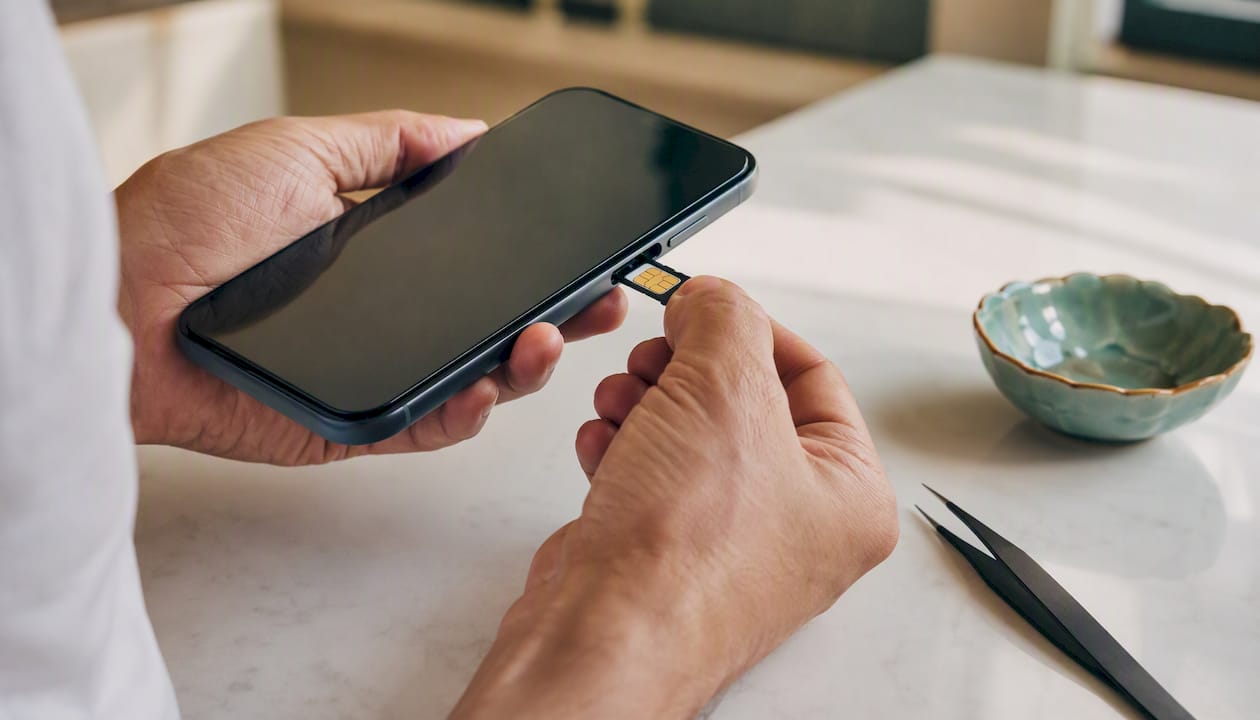
An unlocked iPhone 15 Pro in good condition commands a noticeably higher offer than the same device carrier-locked, sometimes by a solid amount depending on the carrier. Buyers in the secondary market pay a real premium for flexibility, and that premium shows up in every channel from Swappa to buyback quotes. Yet a surprising number of sellers list carrier-locked devices without checking whether their carrier will unlock for free, which most will after the contract period ends.
Original boxes and accessories, on the other hand, add maybe a solid amount to a private-sale listing and essentially nothing to a buyback quote. Sellers who spend 20 minutes hunting for the original box would be better served spending that time taking better photos or checking the battery health percentage.
The other consistent pattern is timing misjudgment around Apple’s September event. Sellers who list in the first week of September, thinking they are ahead of the curve, often get caught by the announcement mid-listing. The smarter move is to complete the sale by August 20 or wait until the post-launch dust settles in October, when the new-model premium has been priced in and secondary demand for the previous generation stabilizes.
Get cash for your iPhone today with Buybackbear
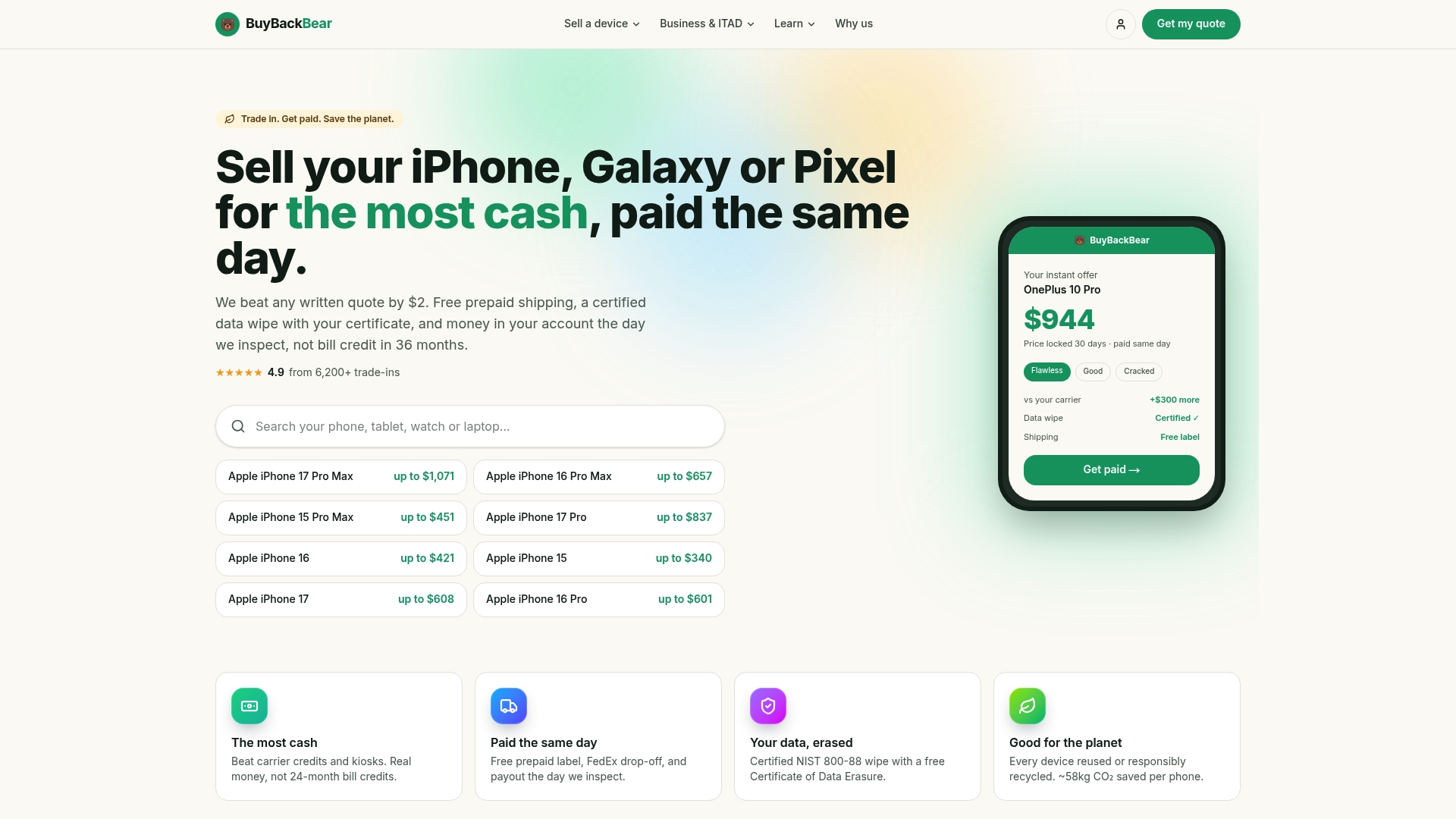
Most sellers leave money on the table not because they chose the wrong channel, but because they waited too long or skipped the comparison step. Buybackbear pays cash for used iPhones, whether they are flawless, cracked, or carrier-locked, with same-day payment by PayPal, Venmo, debit card, or bank transfer. No bill credit spread over 30 months. No contract.
The process takes four steps: get an instant quote online, ship free with a prepaid label, pass inspection, and get paid. Every device is wiped to the NIST 800-88 standard with a free Certificate of Data Erasure included. Buybackbear also tracks competitor buyback prices daily and beats any written quote by a competitive amount.
Private sale on Swappa or eBay will net you more if your device is in excellent condition, unlocked, and you have time to manage listings and shipping. If you want cash today, have a device with repairable damage, or are clearing a bulk fleet, get an instant quote on your iPhone and compare it against your Swappa benchmark before deciding. Use the carrier trade-in vs. cash calculator to see exactly what you would give up by going the carrier route.
Sources
The figures and trend data in this article draw from the following primary sources. Each carries a date stamp or publication date; check them directly for the most current readings.
- Apple iPhone residual value at M+24. Dipli Market Data Lab
- Do Samsung phones depreciate faster than iPhones?. BGR
- iPhone Resale Value Guide. ValueSnap Blog
- The 2026 Resale Value Report: Which Smartphones Hold Their Worth Best After 2 Years? - iGenius Phone Repair
All marketplace averages reflect completed U.S. sales in July 2026. Treat any figure older than 90 days as directional rather than precise.
FAQ
Which iPhone models hold resale value best?
Pro and Pro Max models consistently retain the highest percentage of launch price at both M+12 and M+24, typically running a solid amount above standard-tier equivalents at the same age. Among recent generations, the iPhone 15 Pro and iPhone 16 Pro lead on secondary market retention.
Are iPhone resale prices going to drop in 2026?
A major supply glut or significant software fragmentation could reverse that, but no such signal is visible in mid-2026 marketplace data.
What is the best time to sell an iPhone for maximum value?
Late July through mid-August is the strongest window, when pre-launch demand peaks and supply of used units is still relatively tight.
Is the iPhone 17 selling well on the secondary market?
Early Swappa data cited by BGR shows iPhone 17 SKUs depreciating significantly more slowly than comparable Galaxy S26 models in their first months, suggesting strong short-term secondary demand. M+24 data is not yet available.
How much less does a carrier-locked iPhone sell for?
Carrier-locked iPhones typically sell for a bit less than unlocked equivalents on U.S. marketplaces like Swappa and eBay, depending on the model and carrier. Unlocking your device before listing is one of the highest-return steps a seller can take.
Recommended
Ready to sell?
Get an instant quote, free prepaid shipping, and fast cash that beats carrier trade-in credit.
Selling your device here, at a glance
Get my instant quote →- Instant quote in about 30 seconds, price locked while you decide
- Cash by PayPal, Zelle, Venmo or check after inspection, no fees
- Free prepaid label both ways, free return shipping if you decline
- We beat any competitor's written quote by $2
- Cracked screen, broken or won't power on? Still worth real money
- Certified NIST 800-88 data wipe with an emailed certificate
- Trade-in value paid in cash, not a 24-36 month carrier bill credit
- Every model priced: unlocked or carrier-locked, any storage size