Pixel 11 Pro vs Pixel 10 Pro: What’s New and Is It Worth It?
By The BuyBackBear Team · Published July 6, 2026 · Updated July 6, 2026 · 8 min read
Researched and drafted with AI assistance, then reviewed and fact-checked by the BuyBackBear team.
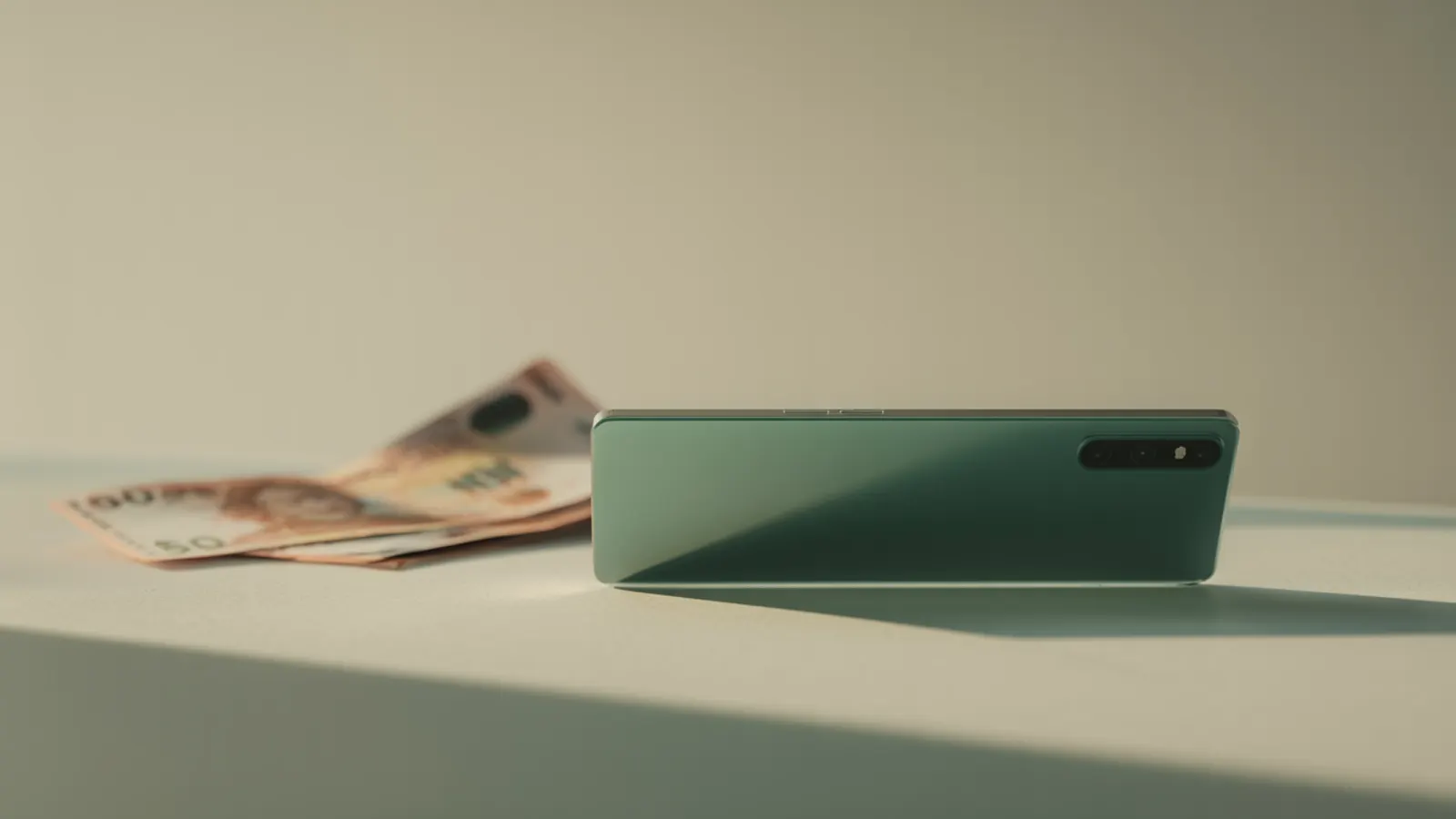
The Pixel 11 Pro is expected around August 20, 2026. Google is reportedly upgrading to the Tensor G6 chip (2nm), switching to a MediaTek modem, refreshing the 50MP camera, and shipping Android 17 at launch. Here’s a plain comparison of what changes and a straight answer on whether the upgrade from the Pixel 10 Pro is worth it.
Key takeaways
- •The Pixel 11 Pro is expected to switch from a Samsung modem to a MediaTek modem, addressing reception and data issues some users experienced.
- •Google's moving the Tensor chip from 3nm to 2nm manufacturing, which typically improves power efficiency and extends battery life under heavy use.
- •The main camera stays at 50MP but gets an updated optical stack, it's a refinement, not a complete redesign.
- •Flagship phones commonly lose 30 to 50% of their resale value within the first 12 months after a new model launches.
- •If you mainly use your phone for calls, messaging, and social media, the Tensor G5 in the Pixel 10 Pro handles those tasks just as well.
Pixel 11 Pro vs Pixel 10 Pro: Spec Comparison
Pixel 11 Pro specs below are based on pre-release reports and subject to change at Google’s announcement. See Google’s Pixel page for confirmed specs once announced.
| Spec | Pixel 10 Pro | Pixel 11 Pro (expected) |
|---|---|---|
| Chip | Tensor G5 (3nm) | Tensor G6 (2nm) |
| Modem | Samsung | MediaTek |
| Main camera | 50MP wide | 50MP wide (refreshed) |
| OS at launch | Android 16 | Android 17 |
| RAM | 12GB | 12GB (expected) |
| Display | 6.3-inch LTPO OLED | ~6.3-inch LTPO OLED |
| Starting price | ~a competitive amount | TBD |
| Launch | August 2025 | ~August 20, 2026 |
What’s New in the Pixel 11 Pro
Three changes stand out based on pre-launch reporting. Google will post official specs on the Made by Google blog at announcement
- Tensor G6 on 2nm Google’s in-house chip moves from a 3nm to a 2nm manufacturing process. Smaller nodes generally deliver better power efficiency for the same performance, which means longer battery life under typical workloads and more headroom for on-device AI tasks.
- MediaTek modem The modem is the component that handles cellular calls and data. Earlier Tensor-based Pixels used Samsung modems that trailed Qualcomm and MediaTek in call reception and data throughput. Switching to MediaTek is the most consequential practical improvement for users who’ve noticed connectivity issues on Pixel 10 Pro.
- Camera refresh The main sensor stays at 50MP but with an updated optical stack. Google’s computational photography improvements come through software as well as hardware, this is a refinement, not a wholesale redesign.
Does the Tensor G6 Chip Make a Real Difference?
Yes, mostly in two areas: battery life and AI processing. The 2nm process is more efficient per task than the 3nm Tensor G5 in the Pixel 10 Pro. For users who push the Pixel hard, long video sessions, live translate, real-time photo processing, the efficiency gains translate into meaningful extra screen time.
For day-to-day tasks, messaging, social apps, calls, the Tensor G5 is not slow. The Pixel 10 Pro won’t feel sluggish compared to the Pixel 11 Pro in those tasks. The chip upgrade is most relevant for on-device Gemini Nano workloads, battery endurance during heavy use, and the gap between sustained performance and throttled performance under heat.
Is the Pixel 11 Pro Worth Upgrading From the Pixel 10 Pro?
Upgrade makes sense if
- You’ve experienced poor call reception or patchy data on the Pixel 10 Pro, the MediaTek modem is the single most practical fix.
- Battery life is a daily frustration and efficiency gains from the 2nm chip matter to your usage pattern.
- You use Gemini on-device AI features heavily and want the performance headroom the G6 provides.
- You’re on a carrier plan or Google installment that makes the annual upgrade financially neutral.
Skip the upgrade if
- Your Pixel 10 Pro gets adequate signal and battery life for your use case.
- You use the phone primarily for calls, messaging, and social media, the G5 handles those just as well.
- You’d rather wait until prices soften a few months after launch.
Flagship phones commonly lose 30 to 50% of their resale value within the first 12 months after a new model launches (source: BuyBackBear price-history tracking and industry resale data). If you’re on the fence: the longer you hold the Pixel 10 Pro, the less it’s worth at trade-in, which raises the real cost of upgrading later.
What to Do With Your Pixel 10 Pro Before the Pixel 11 Pro Ships
If you’re upgrading, your Pixel 10 Pro is at or near peak trade-in value right now, before the Pixel 11 Pro announcement shifts the market. Get an instant quote on BuyBackBear to lock in today’s pricing. You can also read our guide on phone depreciation timing to understand when the sharpest value drops typically happen in the upgrade cycle.
If you’re going through a carrier’s trade-in program, read the fine print: most Pixel 11 Pro promotions will spread credits over 24 to 36 months and require staying on a qualifying plan. Compare carrier trade-ins vs. selling for cash before handing over your Pixel 10 Pro.
When to Buy the Pixel 11 Pro
Buying at launch maximizes your useful life with the device and leaves you in the strongest trade-in position for the Pixel 12 Pro. It also means paying full retail before any promotions develop.
In practice, Pixel pricing tends to soften slightly two to three months after launch as initial demand subsides and carrier promotions broaden. If you’re not in a rush, waiting until late fall after an August launch can save a meaningful amount through better promotional terms.
The counterargument: your Pixel 10 Pro loses trade-in value every week you hold it after the announcement. Selling the Pixel 10 Pro at peak value now and buying the Pixel 11 Pro at launch can net more overall than selling the Pixel 10 Pro in October at a lower price and buying at a discount. Get a quote today to run the actual numbers for your device.
Ready to sell?
Get an instant quote and a free prepaid label.
Selling your device here, at a glance
Get my instant quote →- Instant quote in about 30 seconds, price locked while you decide
- Cash by PayPal, Zelle, Venmo or check after inspection, no fees
- Free prepaid label both ways, free return shipping if you decline
- We beat any competitor's written quote by $2
- Cracked screen, broken or won't power on? Still worth real money
- Certified NIST 800-88 data wipe with an emailed certificate
- Trade-in value paid in cash, not a 24-36 month carrier bill credit
- Every model priced: unlocked or carrier-locked, any storage size