iPhone Release Dates: Every Model in Order
By The BuyBackBear Team · Published June 26, 2026 · Updated June 26, 2026 · 7 min read
Researched and drafted with AI assistance, then reviewed and fact-checked by the BuyBackBear team.
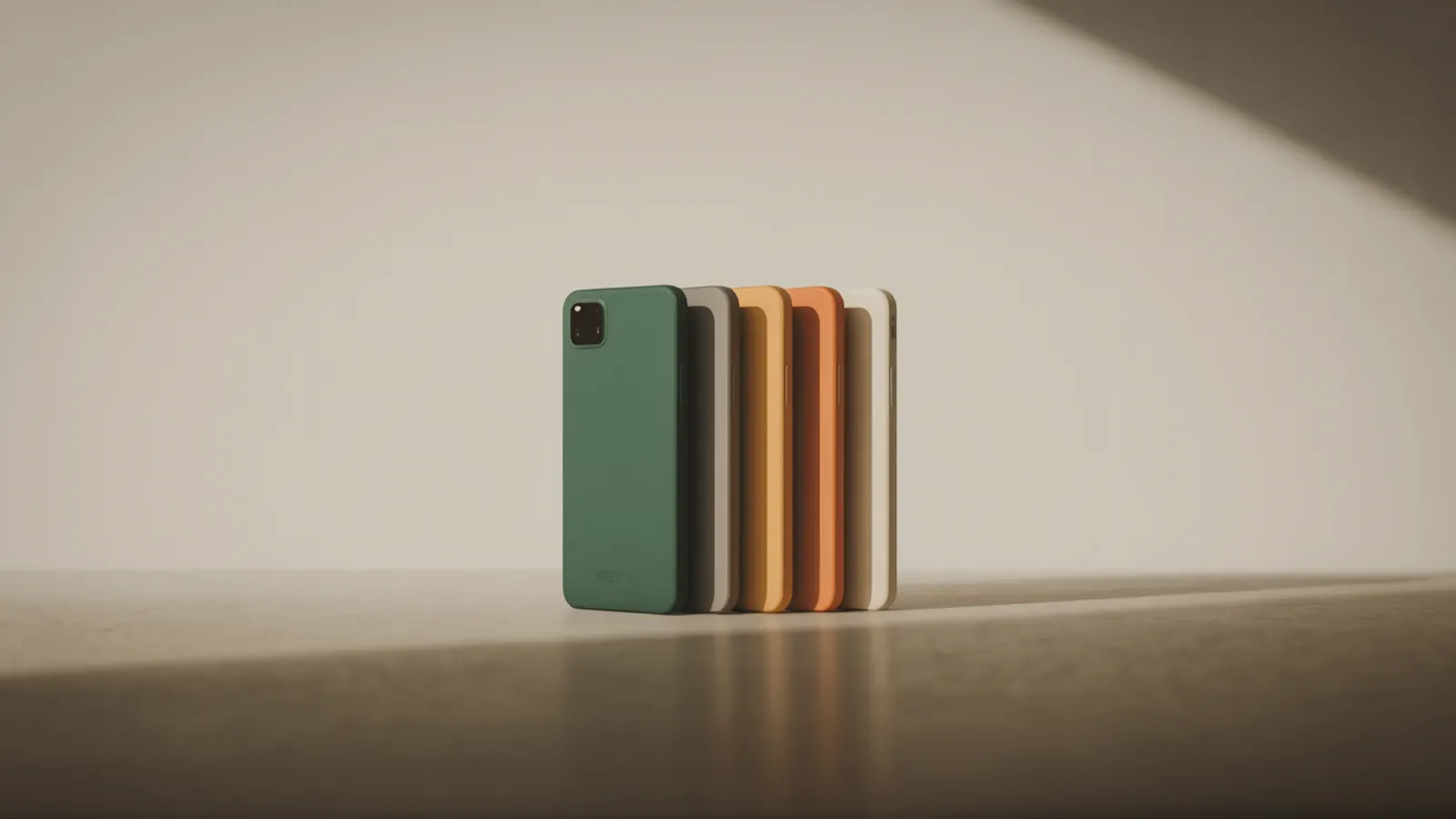
Here is every iPhone Apple has released, in chronological order, release dates, the key change in each generation, and a plain look at what those older models are realistically worth on the resale market today.
Key takeaways
- •Apple has released iPhones every fall since 2007, with occasional spring additions like the SE line and the 16e.
- •The original iPhone launched on June 29, 2007, with a 3.5-inch touchscreen and no App Store until the following year.
- •The iPhone X in 2017 introduced edge-to-edge OLED, Face ID, and removed the home button entirely.
- •Flagship iPhones commonly lose 30-50% of their resale value within the first 12 months after a new model launches.
- •The iPhone 16e replaced the SE line in 2025 with a 6.1-inch OLED, Face ID, and A18 chip at the lowest entry price.
The Complete iPhone Timeline (2007 to 2025)
Apple has released iPhones every fall since 2007, with occasional spring additions (the SE line, then the 16e) and, starting with the iPhone 12, a four-model main lineup. The list below covers every iPhone in the order it shipped.
- iPhone (1st generation). June 29, 2007
- iPhone 3G. July 11, 2008
- iPhone 3GS. June 19, 2009
- iPhone 4. June 24, 2010
- iPhone 4S. October 14, 2011
- iPhone 5. September 21, 2012
- iPhone 5c. September 20, 2013
- iPhone 5s. September 20, 2013
- iPhone 6 / 6 Plus. September 19, 2014
- iPhone 6s / 6s Plus. September 25, 2015
- iPhone SE (1st gen). March 31, 2016
- iPhone 7 / 7 Plus. September 16, 2016
- iPhone 8 / 8 Plus. September 22, 2017
- iPhone X. November 3, 2017
- iPhone XS / XS Max. September 21, 2018
- iPhone XR. October 26, 2018
- iPhone 11 / 11 Pro / 11 Pro Max. September 20, 2019
- iPhone SE (2nd gen). April 24, 2020
- iPhone 12 / 12 Pro. October 23, 2020
- iPhone 12 mini / 12 Pro Max. November 13, 2020
- iPhone 13 / 13 mini / 13 Pro / 13 Pro Max. September 24, 2021
- iPhone SE (3rd gen). March 18, 2022
- iPhone 14 / 14 Pro / 14 Pro Max. September 16, 2022 (14 Plus: October 7, 2022)
- iPhone 15 / 15 Plus / 15 Pro / 15 Pro Max. September 22, 2023
- iPhone 16 / 16 Plus / 16 Pro / 16 Pro Max. September 20, 2024
- iPhone 16e. February 28, 2025
Apple typically announces new iPhones at a September event and ships within a week or two. The spring releases, the SE models, and now the 16e, are the exception: they launch outside the fall cycle and are positioned as lower-cost entry points, not annual flagships.
When Did the First iPhone Come Out?
The original iPhone launched on June 29, 2007. Steve Jobs announced it at Macworld in January of that year, and the roughly six-month wait created a level of consumer anticipation that was unusual at the time. It ran a version of OS X (not yet called iOS), had a 3.5-inch touchscreen, a 2-megapixel camera, and no App Store, that arrived the following year with iPhone OS 2.0 alongside the iPhone 3G.
By today's standards the original iPhone is a collector's curiosity, not a usable device. A factory-sealed unit can carry real value with collectors, but an opened phone in working order has essentially no practical resale value through buyback channels.
All iPhones in Order: What Each Generation Changed
Every generation brought at least one meaningful change. Here is a plain summary of what mattered in each era, useful if you are trying to identify an old device or place it in the lineup.
- 2007 to 2009 (1st gen, 3G, 3GS) Established the touchscreen form factor. The 3G added cellular data and shipped alongside the new App Store; the 3GS added video recording and faster performance.
- 2010 to 2011 (4, 4S) Glass front and back, Retina display, and Siri debuting on the 4S.
- 2012 to 2013 (5, 5c, 5s) Taller 4-inch screen, a 64-bit processor on the 5s, and the Touch ID fingerprint sensor.
- 2014 to 2015 (6, 6 Plus, 6s, 6s Plus) First large-screen iPhones (4.7- and 5.5-inch), with 3D Touch added on the 6s. The 6 and 6s are among the best-selling iPhones ever made.
- 2016 (SE 1st gen, 7, 7 Plus) Headphone jack removed on the 7, dual cameras added on the 7 Plus, and flagship internals packed into the 4-inch SE.
- 2017 (8, 8 Plus, X) The X was a genuine reset, edge-to-edge OLED, Face ID replacing Touch ID, and no home button.
- 2018 (XS, XS Max, XR) Refined the X design across three sizes. The XR used an LCD panel but outsold both XS models.
- 2019 (11, 11 Pro, 11 Pro Max) Triple-camera system and Night Mode on the Pro models, and the first use of the Pro name.
- 2020 (SE 2nd gen, 12 series) 5G arrived with the 12 lineup, MagSafe charging was introduced, and the mini form factor debuted.
- 2021 (13 series) Smaller notch, larger batteries, Cinematic mode video, and 120Hz ProMotion on the Pro models.
- 2022 (SE 3rd gen, 14 series) Dynamic Island replaced the notch on Pro models, the Pro models moved to the A16 while the base models kept the A15, and Emergency SOS via satellite arrived.
- 2023 (15 series) USB-C replaced Lightning across the whole lineup, a titanium frame came to the Pro models, and the 15 Pro introduced the A17 Pro chip and the Action button.
- 2024 (16 series) Apple Intelligence features and a dedicated Camera Control button landed on all four models, not just the Pro tier, alongside the A18 chip.
- 2025 (16e) Replaced the SE line with a 6.1-inch OLED, Face ID, the A18 chip, a single rear camera, and the lowest current iPhone entry price.
How Release Dates Affect Your iPhone's Resale Value
The release calendar matters a lot if you are planning to sell. Flagship phones commonly lose 30-50% of their resale value within the first 12 months after a new model launches (source: BuyBackBear price-history tracking and industry resale data).
That means the window between Apple's September announcement and the actual ship date is often the best time to lock in an offer on your current phone. Once the new model is in buyers' hands, demand for the previous generation drops and buyback prices follow within days.
A few patterns we see consistently
- Pro models hold value longer than standard models because demand from photographers and power users stays stronger.
- Older SE models drop fast because they are priced as budget devices from day one, so buyers do not pay a premium for them used.
- The sweet spot for selling is usually the weeks just before Apple's fall event, when you can capture close to peak value before the announcement resets the previous generation's price.
- Condition matters more than age for models within the last three years. A mint iPhone 14 Pro will often out-pay a scratched iPhone 15.
If you want to know what your specific iPhone is worth right now, check our guide on how much your phone is worth, it walks through exactly how condition, storage size, and carrier lock affect your payout.
Which iPhones Are Still Worth Selling in 2026?
Not every old iPhone has meaningful resale value. Here is a plain breakdown by era of what the buyback market actually pays as of mid-2026.
- iPhone 16 series (2024) Strong demand and the best payouts. Get an instant quote on your iPhone, these are near peak trade-in value while the iPhone 17 generation is still new.
- iPhone 15 series (2023) Good payouts, especially Pro and Pro Max. USB-C also makes them appealing to buyers coming from Android.
- iPhone 14 series (2022) Solid mid-tier resale. The 14 Pro and 14 Pro Max still command reasonable offers, while the base 14 has softened.
- iPhone 13 series (2021) Moderate value. Worth selling now rather than waiting.
- iPhone 12 series (2020) Low to moderate value. Still pays something, but dropping steadily.
- iPhone 11 and older Payouts are low through most buyback channels. At this point peer-to-peer (Swappa, Facebook Marketplace) may get you more than a mail-in service, but takes more effort.
- Anything older than iPhone X Essentially no trade-in value through formal buyback channels. These are best donated or recycled.
Storage size still matters. A 256GB or 512GB model typically pays meaningfully more than the base 128GB configuration of the same phone, with the gap widening on newer models.
When Does Apple Usually Release New iPhones?
Since the iPhone 5 in 2012, Apple has held to a consistent rhythm: a September event in the first or second week of the month, with phones shipping one to two weeks later. The exceptions are the spring releases, the SE models, and the 16e in 2025.
For 2026, the iPhone 17 series has already followed that pattern, with its fall announcement and a ship date in the weeks after. If anything changes the cadence, it tends to be a specific model slipping a few weeks (as the X and the first 12 Pro Max did), not the overall fall timing.
If you are holding a current iPhone to see the new one first, that is a reasonable plan, just know that buyback prices on your current phone start dropping the moment Apple announces the new lineup, not only when the new phones ship. The announcement itself is what moves the market.
Ready to Sell Your iPhone?
If you have identified your model and want to know what it pays today, the next step is simple. Get an instant quote on your iPhone, select your model, storage size, and condition, and we will show you a locked offer with free prepaid shipping and payment after inspection.
A few things worth doing before you ship
- Remove your SIM card before boxing the phone.
- Sign out of iCloud (Settings > your name > Sign Out). A device still linked to an Apple ID cannot be resold and will be returned or paid at a lower rate.
- Back up anything you want to keep, then do a factory reset.
If you want help estimating the number before you commit, our guide on how much your phone is worth covers condition grading, what deductions to expect, and how to get the best payout.
Ready to sell?
Get an instant quote and a free prepaid label.
Selling your device here, at a glance
Get my instant quote →- Instant quote in about 30 seconds, price locked while you decide
- Cash by PayPal, Zelle, Venmo or check after inspection, no fees
- Free prepaid label both ways, free return shipping if you decline
- We beat any competitor's written quote by $2
- Cracked screen, broken or won't power on? Still worth real money
- Certified NIST 800-88 data wipe with an emailed certificate
- Trade-in value paid in cash, not a 24-36 month carrier bill credit
- Every model priced: unlocked or carrier-locked, any storage size